Freedom Begins With Literacy
As we approach Martin Luther King Jr. Day, I’ve found myself reflecting more deeply on the Civil Rights Movement. I think about not just the marches, the speeches, or the legislation. The quieter, often overlooked battles were fought long before those moments. One of the most powerful and painful truths is this: illiteracy was used as a weapon against us.
During the Civil Rights era, many Black Americans were intentionally denied access to quality education. Literacy tests were used to block voting rights. Laws and practices ensured that reading, writing, and knowledge remained out of reach for many. This was strategic. Because those in power understood something very clearly—knowledge is power.
And power leads to freedom.
Literacy Has Always Been About More Than Reading
Literacy has never been just about sounding out words or passing a test. It has always been about access—access to opportunity, voice, participation, and dignity. When someone can read, they can understand their rights. They can question injustice. They can advocate for themselves and their communities.
When people are denied literacy, they are denied freedom. This truth is just as relevant today as it was decades ago.
Modern Barriers Look Different, but They Are Still Barriers
Today, classrooms are filled with students who bring with them diverse identities, languages, abilities, cultures, and lived experiences. That diversity is not a problem. It shouldn’t be avoided. Educators shouldn’t aim to turn their classrooms into a melting pot. Diversity is a reality to be honored. Children differ in terms of socioeconomic status, race, language background, ability level, and life experiences. Pretending otherwise does not create fairness. It creates silence. And silence has never led to justice.
Yet, we are living in a time when political decisions are creating new barriers to literacy by restricting how educators talk about race, identity, equity, and inclusion. Efforts to ban certain language or limit discussions about diversity ignore the fundamental truth that classrooms are already diverse.
Literacy Can’t Be Neutral
When we strip literacy instruction of context, culture, and meaning, we limit children’s ability to truly understand what they read and how it connects to their lives. Effective literacy instruction is not one-size-fits-all. It must be responsive, affirming, and grounded in the realities students live every day.
This isn’t about politics. It is about good teaching. It is about ensuring that every child, not just some, has access to meaningful, powerful literacy experiences.
At Literacy for Justice, ensuring justice through literacy means ensuring all children have access to evidence-based reading instruction, books that reflect their identities and expand their understanding of others, and learning spaces where their voices, language, and experiences are valued
Teaching children to read is not just an academic responsibility; it is a moral one.
Knowledge Is Power. Knowledge Is Justice. Knowledge Is Freedom.
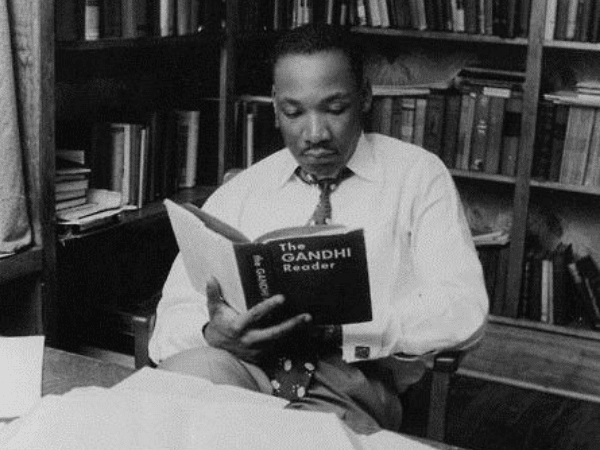
Dr. King dreamed of a world where all people engage fully in society. That dream is not possible without literacy. When children learn to read, they gain more than a skill. They gain confidence. They gain agency. They gain the ability to imagine and create a future beyond their current circumstances.
As parents and educators, we may not all march in the streets, but we do shape the future every time we conduct a read-aloud, ask a thoughtful question, or affirm a child’s thinking.
Because literacy opens the door to freedom, our work (teaching, supporting, and advocating) matters deeply.
Knowledge is power. Knowledge is justice. Knowledge is freedom.
We Want to Hear from You!
As we honor Dr. King’s legacy this MLK Day, let this be our reflection:
If literacy opens the door to freedom, what responsibility do we carry in ensuring every child has a key?
Follow us on Facebook!
 Literacy for Justice
Leave a comment