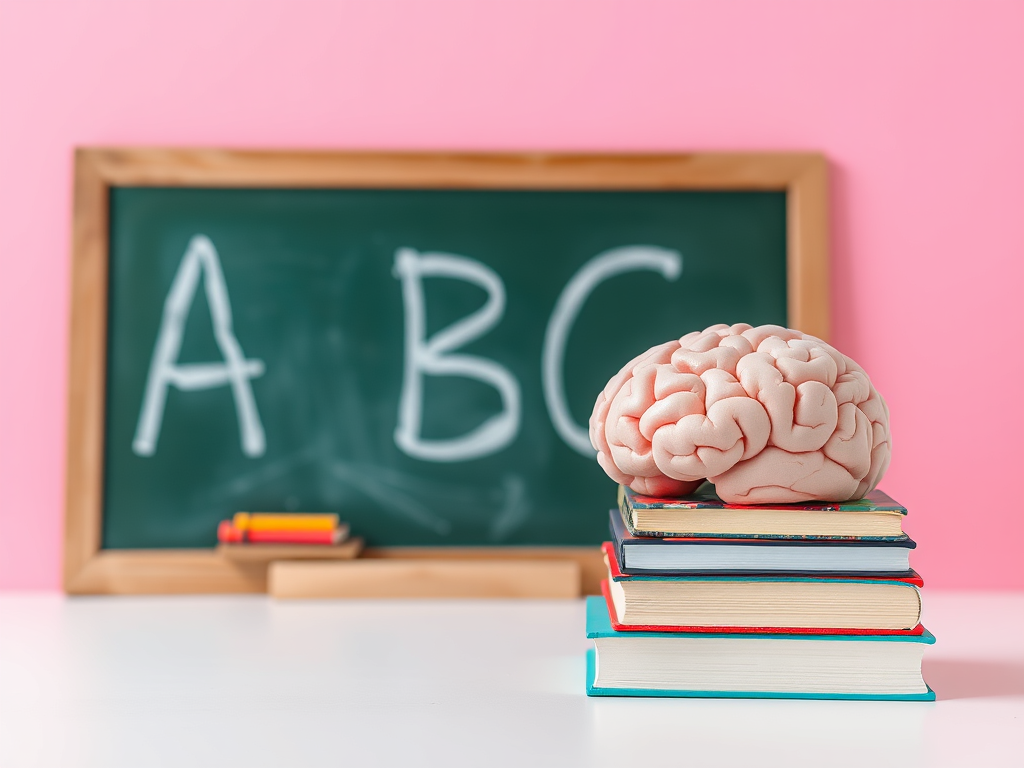
I recently had the privilege to attend a presentation by Dr. Paige C. Pullen at a literacy summit, where she highlighted why combining the Science of Reading, the Science of Learning, and the Science of Instruction is not just effective, but why it’s essential.
What I Learned
Dr. Pullen’s intersected framework positions literacy as a multidisciplinary effort:
- Understand how students learn. Our brains are smarter when we engage deeply, connecting sounds to letters and to meaning. Surface-level decoding won’t last, but when we go deeper, learning sticks.
- Honor students’ cognitive capacity by using focused, manageable strategies. We tap into attention (what we notice), chunk information for working memory, and prioritize retrieval and spaced review, so learning can move into long-term memory.
- Teach reading like scientists. We don’t just pick stories and go. We systematically build orthographic mapping, teaching students to move words into memory by linking sounds, spellings, and meaning in routines that scaffold automaticity.
Why It’s So Important – Especially for Diverse Learners
- Bridges inequities. When we use decodables and orthographic mapping, we level the playing field for students whose home language practices may differ from the academic languages emphasized in school settings. They gain access to the mechanics of reading from the inside out.
- Builds confidence. Early automatic word recognition frees students to focus on comprehension. That matters not just for reading, but for accessing content across subjects.
- Respects the brain. Retrieval and spaced practice are not arbitrary; they’re grounded in decades of research. It means students aren’t just rehearsing, but they’re truly learning.
In Practice – What Would This Look Like in the Classroom?
At the start of a unit, I would introduce a new spelling pattern through explicit instruction: speaking, modeling, visuals, and repetition. Once students are familiar with the pattern, we would use decodable texts for practice. Using oral blending, we would then map words to sounds before moving into meaning. Then, we would support comprehension and scaffold texts that stretch students’ skills, without overwhelming them.
Over time, anchor vocabulary in memory through spaced practice. Review words in different contexts. Integrate them naturally and repeatedly into instruction over time.
Final Thought
Dr. Pullen reminded us that literacy is more than teaching kids to decode; it’s about empowering them to own their knowledge. As Zaretta Hammond (2014) explains in Culturally Responsive Teaching and the Brain, true equity in literacy instruction comes from helping students become independent learners who can process, apply, and transfer knowledge on their own. By combining reading science with deep learning strategies and purposeful instruction, we don’t just teach kids to read – we teach them to think, to access information, and to engage confidently in academic spaces. That matters for all learners, especially those whose voices we’ve overheard but not yet heard.
Effective literacy isn’t just about letters; it’s about how the brain learns, how we teach, and how we ensure every student builds real, deep understanding. Let’s continue to bridge science and instruction for all kids.
Let’s talk!
How were you taught to read?
Teachers: What’s one takeaway you can apply in your classroom?
Parents: What resources would help you support your child at home?
 Literacy for Justice
Leave a comment